ISO/IEC 17025 traceable calibration support for weighing, lab, inspection, and sensor programs.
Sustainability through lifecycle measurement

Keep useful instruments in service longer without weakening the audit trail.

Sustainability in measurement is practical work: fewer premature replacements, fewer emergency shipments, less scrap from unstable controls, and service records that keep compliant equipment active. Mettler Toledo approaches this topic through calibration planning, repairability, spare-parts visibility, and better selection at the first purchase.

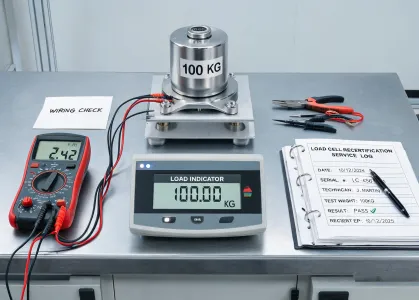
Calibration repair bench for weighing instruments

Longer service life starts with honest limits.

A scale, sensor, balance, or inspection system should not be sold as maintenance-free. Every instrument experiences drift, contamination, wear, or environmental stress. A responsible sustainability plan therefore defines how the user will detect drift, when recalibration is due, what parts can be replaced, and how service work will be documented. This avoids the false economy of discarding equipment because its history became unclear.

Repair is only sustainable when the repaired instrument returns with a defensible measurement record.

The strongest programs pair instrument selection with a documented calibration interval and a spare-parts route. A plant that knows which load cells, seals, display modules, pH electrodes, or reject-system components are serviceable can reduce downtime and waste. It also prevents the hidden environmental cost of buying an oversized or inappropriate instrument that later fails to fit the real process conditions.
Lifecycle controls

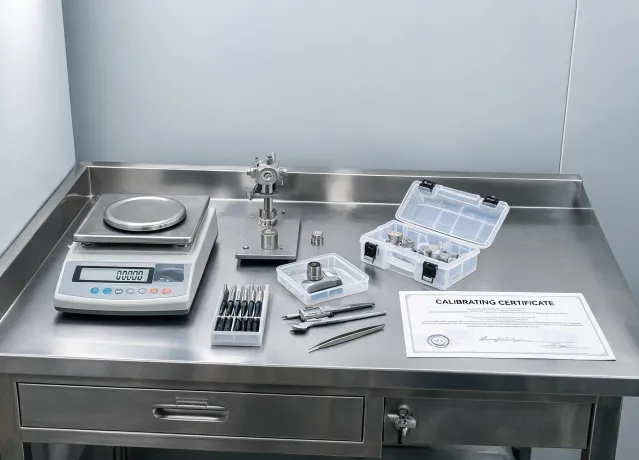
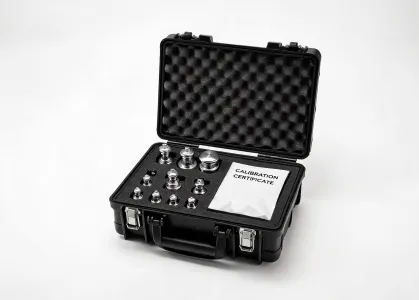
Three decisions that reduce waste while preserving compliance.

Washdown, vibration, dust, draft, temperature swing, and operator handling can dominate measurement uncertainty. Selecting for these conditions reduces early failure and avoids replacing equipment that was simply misapplied.

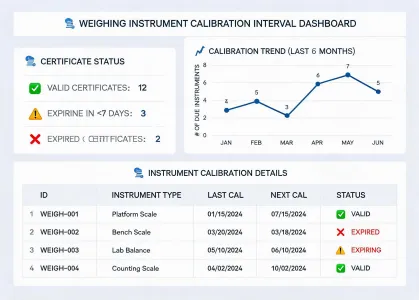
A defined interval, supported by trend history and ISO/IEC 17025 traceability where required, helps teams catch drift before it causes batch rejection, underfill, giveaway, or repeated troubleshooting.

A repaired instrument should return with service notes, changed parts, seal status, firmware observations, and post-repair verification. Without those records, repair can shift risk from the waste stream to the audit file.

Review your fleet before replacing it.

Share instrument type, service history, current failure mode, and audit requirement. The response will clarify whether repair, recalibration, replacement, or redesign is the defensible path.